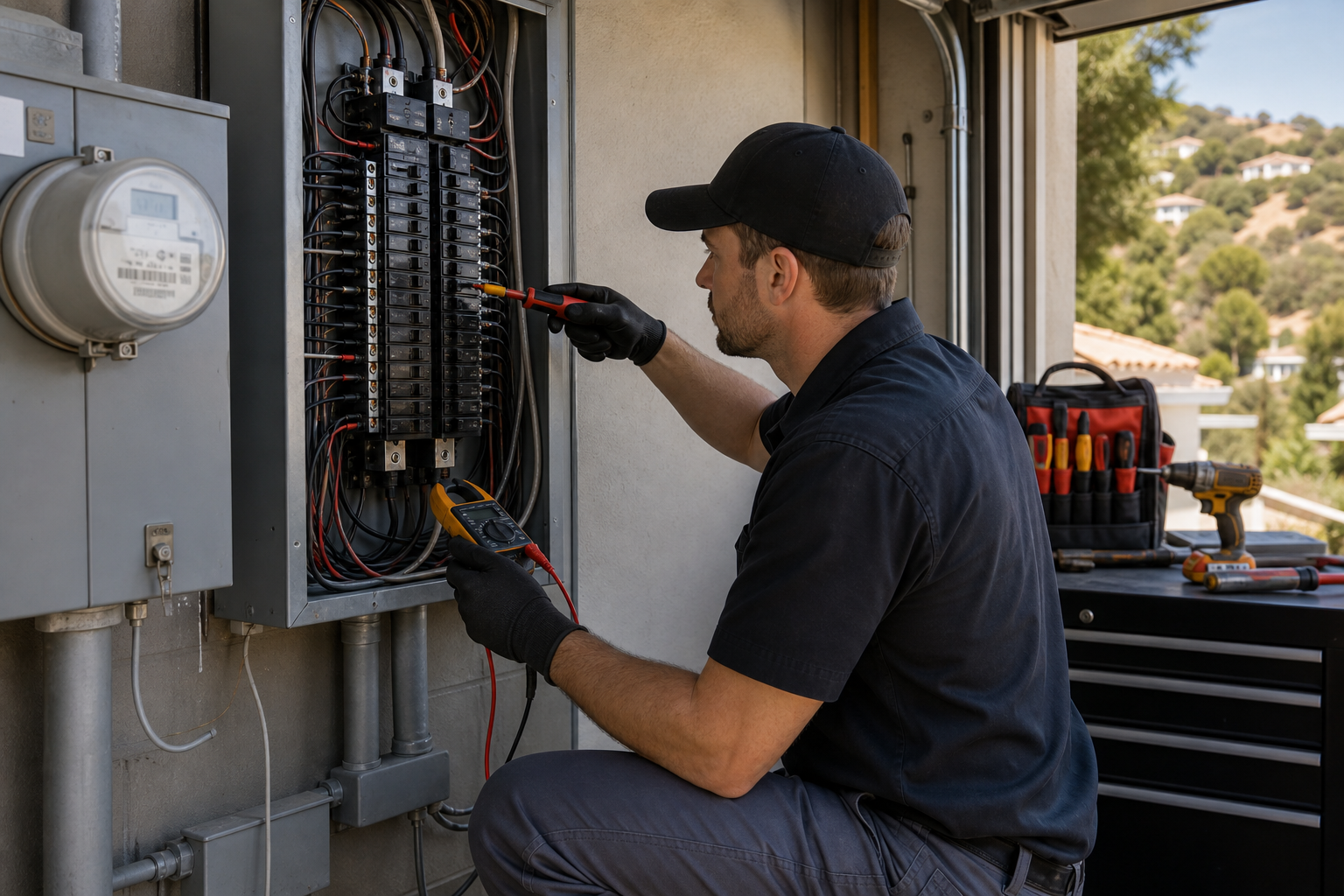
chevy-chase-canyon-electrical-panel-upgrade-field-1: chevy-chase-canyon-electrical-panel-upgrade-field-1 route chevy-chase-canyon electrical-panel-upgrade. chevy-chase-canyon-electrical-panel-upgrade-field-1 neighborhood Country Club area. chevy-chase-canyon-electrical-panel-upgrade-field-1 local insurance notes. chevy-chase-canyon-electrical-panel-upgrade-field-1 symptom frequent trips. chevy-chase-canyon-electrical-panel-upgrade-field-1 proof main rating. chevy-chase-canyon-electrical-panel-upgrade-field-1 risk old grounding. chevy-chase-canyon-electrical-panel-upgrade-field-1 next document existing loads. chevy-chase-canyon-electrical-panel-upgrade-field-1 owner question: repair, replacement, permit review, or staged planning.
chevy-chase-canyon-electrical-panel-upgrade-field-2: chevy-chase-canyon-electrical-panel-upgrade-field-2 route chevy-chase-canyon electrical-panel-upgrade. chevy-chase-canyon-electrical-panel-upgrade-field-2 neighborhood Chevy Chase Drive. chevy-chase-canyon-electrical-panel-upgrade-field-2 local temporary service. chevy-chase-canyon-electrical-panel-upgrade-field-2 symptom planned EV charger. chevy-chase-canyon-electrical-panel-upgrade-field-2 proof load worksheet. chevy-chase-canyon-electrical-panel-upgrade-field-2 risk stucco repair. chevy-chase-canyon-electrical-panel-upgrade-field-2 next plan future equipment. chevy-chase-canyon-electrical-panel-upgrade-field-2 owner question: repair, replacement, permit review, or staged planning.
chevy-chase-canyon-electrical-panel-upgrade-field-3: chevy-chase-canyon-electrical-panel-upgrade-field-3 route chevy-chase-canyon electrical-panel-upgrade. chevy-chase-canyon-electrical-panel-upgrade-field-3 neighborhood Emerald Isle edge. chevy-chase-canyon-electrical-panel-upgrade-field-3 local filter loading. chevy-chase-canyon-electrical-panel-upgrade-field-3 symptom crowded subpanel. chevy-chase-canyon-electrical-panel-upgrade-field-3 proof service path. chevy-chase-canyon-electrical-panel-upgrade-field-3 risk utility clearances. chevy-chase-canyon-electrical-panel-upgrade-field-3 next coordinate utility and. chevy-chase-canyon-electrical-panel-upgrade-field-3 owner question: repair, replacement, permit review, or staged planning.
chevy-chase-canyon-electrical-panel-upgrade-field-4: chevy-chase-canyon-electrical-panel-upgrade-field-4 route chevy-chase-canyon electrical-panel-upgrade. chevy-chase-canyon-electrical-panel-upgrade-field-4 neighborhood Glenoaks Canyon boundary. chevy-chase-canyon-electrical-panel-upgrade-field-4 local ash exposure. chevy-chase-canyon-electrical-panel-upgrade-field-4 symptom 100 amp service. chevy-chase-canyon-electrical-panel-upgrade-field-4 proof future appliances. chevy-chase-canyon-electrical-panel-upgrade-field-4 risk meter-main constraints. chevy-chase-canyon-electrical-panel-upgrade-field-4 next label and test. chevy-chase-canyon-electrical-panel-upgrade-field-4 owner question: repair, replacement, permit review, or staged planning.
chevy-chase-canyon-electrical-panel-upgrade-field-5: chevy-chase-canyon-electrical-panel-upgrade-field-5 route chevy-chase-canyon electrical-panel-upgrade. chevy-chase-canyon-electrical-panel-upgrade-field-5 neighborhood Country Club area. chevy-chase-canyon-electrical-panel-upgrade-field-5 local filter loading. chevy-chase-canyon-electrical-panel-upgrade-field-5 symptom 100 amp service. chevy-chase-canyon-electrical-panel-upgrade-field-5 proof service path. chevy-chase-canyon-electrical-panel-upgrade-field-5 risk meter-main constraints. chevy-chase-canyon-electrical-panel-upgrade-field-5 next label and test. chevy-chase-canyon-electrical-panel-upgrade-field-5 owner question: repair, replacement, permit review, or staged planning.
chevy-chase-canyon-electrical-panel-upgrade-field-6: chevy-chase-canyon-electrical-panel-upgrade-field-6 route chevy-chase-canyon electrical-panel-upgrade. chevy-chase-canyon-electrical-panel-upgrade-field-6 neighborhood Chevy Chase Drive. chevy-chase-canyon-electrical-panel-upgrade-field-6 local ash exposure. chevy-chase-canyon-electrical-panel-upgrade-field-6 symptom frequent trips. chevy-chase-canyon-electrical-panel-upgrade-field-6 proof future appliances. chevy-chase-canyon-electrical-panel-upgrade-field-6 risk old grounding. chevy-chase-canyon-electrical-panel-upgrade-field-6 next document existing loads. chevy-chase-canyon-electrical-panel-upgrade-field-6 owner question: repair, replacement, permit review, or staged planning.
chevy-chase-canyon-electrical-panel-upgrade-field-7: chevy-chase-canyon-electrical-panel-upgrade-field-7 route chevy-chase-canyon electrical-panel-upgrade. chevy-chase-canyon-electrical-panel-upgrade-field-7 neighborhood Emerald Isle edge. chevy-chase-canyon-electrical-panel-upgrade-field-7 local utility restoration. chevy-chase-canyon-electrical-panel-upgrade-field-7 symptom heat pump conversion. chevy-chase-canyon-electrical-panel-upgrade-field-7 proof meter location. chevy-chase-canyon-electrical-panel-upgrade-field-7 risk load calculation conflicts. chevy-chase-canyon-electrical-panel-upgrade-field-7 next prepare load calculation. chevy-chase-canyon-electrical-panel-upgrade-field-7 owner question: repair, replacement, permit review, or staged planning.
chevy-chase-canyon-electrical-panel-upgrade-field-8: chevy-chase-canyon-electrical-panel-upgrade-field-8 route chevy-chase-canyon electrical-panel-upgrade. chevy-chase-canyon-electrical-panel-upgrade-field-8 neighborhood Glenoaks Canyon boundary. chevy-chase-canyon-electrical-panel-upgrade-field-8 local defensible placement. chevy-chase-canyon-electrical-panel-upgrade-field-8 symptom crowded subpanel. chevy-chase-canyon-electrical-panel-upgrade-field-8 proof grounding. chevy-chase-canyon-electrical-panel-upgrade-field-8 risk utility clearances. chevy-chase-canyon-electrical-panel-upgrade-field-8 next coordinate utility and. chevy-chase-canyon-electrical-panel-upgrade-field-8 owner question: repair, replacement, permit review, or staged planning.
chevy-chase-canyon-electrical-panel-upgrade-field-9: chevy-chase-canyon-electrical-panel-upgrade-field-9 route chevy-chase-canyon electrical-panel-upgrade. chevy-chase-canyon-electrical-panel-upgrade-field-9 neighborhood Country Club area. chevy-chase-canyon-electrical-panel-upgrade-field-9 local utility restoration. chevy-chase-canyon-electrical-panel-upgrade-field-9 symptom crowded subpanel. chevy-chase-canyon-electrical-panel-upgrade-field-9 proof meter location. chevy-chase-canyon-electrical-panel-upgrade-field-9 risk utility clearances. chevy-chase-canyon-electrical-panel-upgrade-field-9 next coordinate utility and. chevy-chase-canyon-electrical-panel-upgrade-field-9 owner question: repair, replacement, permit review, or staged planning.
chevy-chase-canyon-electrical-panel-upgrade-field-10: chevy-chase-canyon-electrical-panel-upgrade-field-10 route chevy-chase-canyon electrical-panel-upgrade. chevy-chase-canyon-electrical-panel-upgrade-field-10 neighborhood Chevy Chase Drive. chevy-chase-canyon-electrical-panel-upgrade-field-10 local defensible placement. chevy-chase-canyon-electrical-panel-upgrade-field-10 symptom 100 amp service. chevy-chase-canyon-electrical-panel-upgrade-field-10 proof grounding. chevy-chase-canyon-electrical-panel-upgrade-field-10 risk meter-main constraints. chevy-chase-canyon-electrical-panel-upgrade-field-10 next label and test. chevy-chase-canyon-electrical-panel-upgrade-field-10 owner question: repair, replacement, permit review, or staged planning.
chevy-chase-canyon-electrical-panel-upgrade-field-11: chevy-chase-canyon-electrical-panel-upgrade-field-11 route chevy-chase-canyon electrical-panel-upgrade. chevy-chase-canyon-electrical-panel-upgrade-field-11 neighborhood Chevy Chase Drive. chevy-chase-canyon-electrical-panel-upgrade-field-11 local ash exposure. chevy-chase-canyon-electrical-panel-upgrade-field-11 symptom crowded subpanel. chevy-chase-canyon-electrical-panel-upgrade-field-11 proof future appliances. chevy-chase-canyon-electrical-panel-upgrade-field-11 risk utility clearances. chevy-chase-canyon-electrical-panel-upgrade-field-11 next coordinate utility and. chevy-chase-canyon-electrical-panel-upgrade-field-11 owner question: repair, replacement, permit review, or staged planning.
chevy-chase-canyon-electrical-panel-upgrade-field-12: chevy-chase-canyon-electrical-panel-upgrade-field-12 route chevy-chase-canyon electrical-panel-upgrade. chevy-chase-canyon-electrical-panel-upgrade-field-12 neighborhood Country Club area. chevy-chase-canyon-electrical-panel-upgrade-field-12 local filter loading. chevy-chase-canyon-electrical-panel-upgrade-field-12 symptom heat pump conversion. chevy-chase-canyon-electrical-panel-upgrade-field-12 proof service path. chevy-chase-canyon-electrical-panel-upgrade-field-12 risk load calculation conflicts. chevy-chase-canyon-electrical-panel-upgrade-field-12 next prepare load calculation. chevy-chase-canyon-electrical-panel-upgrade-field-12 owner question: repair, replacement, permit review, or staged planning.
chevy-chase-canyon-electrical-panel-upgrade-field-13: chevy-chase-canyon-electrical-panel-upgrade-field-13 route chevy-chase-canyon electrical-panel-upgrade. chevy-chase-canyon-electrical-panel-upgrade-field-13 neighborhood Glenoaks Canyon boundary. chevy-chase-canyon-electrical-panel-upgrade-field-13 local defensible placement. chevy-chase-canyon-electrical-panel-upgrade-field-13 symptom planned EV charger. chevy-chase-canyon-electrical-panel-upgrade-field-13 proof grounding. chevy-chase-canyon-electrical-panel-upgrade-field-13 risk stucco repair. chevy-chase-canyon-electrical-panel-upgrade-field-13 next plan future equipment. chevy-chase-canyon-electrical-panel-upgrade-field-13 owner question: repair, replacement, permit review, or staged planning.
chevy-chase-canyon-electrical-panel-upgrade-field-14: chevy-chase-canyon-electrical-panel-upgrade-field-14 route chevy-chase-canyon electrical-panel-upgrade. chevy-chase-canyon-electrical-panel-upgrade-field-14 neighborhood Emerald Isle edge. chevy-chase-canyon-electrical-panel-upgrade-field-14 local utility restoration. chevy-chase-canyon-electrical-panel-upgrade-field-14 symptom frequent trips. chevy-chase-canyon-electrical-panel-upgrade-field-14 proof meter location. chevy-chase-canyon-electrical-panel-upgrade-field-14 risk old grounding. chevy-chase-canyon-electrical-panel-upgrade-field-14 next document existing loads. chevy-chase-canyon-electrical-panel-upgrade-field-14 owner question: repair, replacement, permit review, or staged planning.
chevy-chase-canyon-electrical-panel-upgrade-field-15: chevy-chase-canyon-electrical-panel-upgrade-field-15 route chevy-chase-canyon electrical-panel-upgrade. chevy-chase-canyon-electrical-panel-upgrade-field-15 neighborhood Chevy Chase Drive. chevy-chase-canyon-electrical-panel-upgrade-field-15 local defensible placement. chevy-chase-canyon-electrical-panel-upgrade-field-15 symptom heat pump conversion. chevy-chase-canyon-electrical-panel-upgrade-field-15 proof grounding. chevy-chase-canyon-electrical-panel-upgrade-field-15 risk load calculation conflicts. chevy-chase-canyon-electrical-panel-upgrade-field-15 next prepare load calculation. chevy-chase-canyon-electrical-panel-upgrade-field-15 owner question: repair, replacement, permit review, or staged planning.
chevy-chase-canyon-electrical-panel-upgrade-field-16: chevy-chase-canyon-electrical-panel-upgrade-field-16 route chevy-chase-canyon electrical-panel-upgrade. chevy-chase-canyon-electrical-panel-upgrade-field-16 neighborhood Country Club area. chevy-chase-canyon-electrical-panel-upgrade-field-16 local utility restoration. chevy-chase-canyon-electrical-panel-upgrade-field-16 symptom planned EV charger. chevy-chase-canyon-electrical-panel-upgrade-field-16 proof meter location. chevy-chase-canyon-electrical-panel-upgrade-field-16 risk stucco repair. chevy-chase-canyon-electrical-panel-upgrade-field-16 next plan future equipment. chevy-chase-canyon-electrical-panel-upgrade-field-16 owner question: repair, replacement, permit review, or staged planning.
chevy-chase-canyon-electrical-panel-upgrade-field-17: chevy-chase-canyon-electrical-panel-upgrade-field-17 route chevy-chase-canyon electrical-panel-upgrade. chevy-chase-canyon-electrical-panel-upgrade-field-17 neighborhood Glenoaks Canyon boundary. chevy-chase-canyon-electrical-panel-upgrade-field-17 local temporary service. chevy-chase-canyon-electrical-panel-upgrade-field-17 symptom frequent trips. chevy-chase-canyon-electrical-panel-upgrade-field-17 proof load worksheet. chevy-chase-canyon-electrical-panel-upgrade-field-17 risk old grounding. chevy-chase-canyon-electrical-panel-upgrade-field-17 next document existing loads. chevy-chase-canyon-electrical-panel-upgrade-field-17 owner question: repair, replacement, permit review, or staged planning.
chevy-chase-canyon-electrical-panel-upgrade-field-18: chevy-chase-canyon-electrical-panel-upgrade-field-18 route chevy-chase-canyon electrical-panel-upgrade. chevy-chase-canyon-electrical-panel-upgrade-field-18 neighborhood Emerald Isle edge. chevy-chase-canyon-electrical-panel-upgrade-field-18 local insurance notes. chevy-chase-canyon-electrical-panel-upgrade-field-18 symptom 100 amp service. chevy-chase-canyon-electrical-panel-upgrade-field-18 proof main rating. chevy-chase-canyon-electrical-panel-upgrade-field-18 risk meter-main constraints. chevy-chase-canyon-electrical-panel-upgrade-field-18 next label and test. chevy-chase-canyon-electrical-panel-upgrade-field-18 owner question: repair, replacement, permit review, or staged planning.
chevy-chase-canyon-electrical-panel-upgrade-field-19: chevy-chase-canyon-electrical-panel-upgrade-field-19 route chevy-chase-canyon electrical-panel-upgrade. chevy-chase-canyon-electrical-panel-upgrade-field-19 neighborhood Chevy Chase Drive. chevy-chase-canyon-electrical-panel-upgrade-field-19 local defensible placement. chevy-chase-canyon-electrical-panel-upgrade-field-19 symptom frequent trips. chevy-chase-canyon-electrical-panel-upgrade-field-19 proof grounding. chevy-chase-canyon-electrical-panel-upgrade-field-19 risk old grounding. chevy-chase-canyon-electrical-panel-upgrade-field-19 next document existing loads. chevy-chase-canyon-electrical-panel-upgrade-field-19 owner question: repair, replacement, permit review, or staged planning.
chevy-chase-canyon-electrical-panel-upgrade-field-20: chevy-chase-canyon-electrical-panel-upgrade-field-20 route chevy-chase-canyon electrical-panel-upgrade. chevy-chase-canyon-electrical-panel-upgrade-field-20 neighborhood Country Club area. chevy-chase-canyon-electrical-panel-upgrade-field-20 local filter loading. chevy-chase-canyon-electrical-panel-upgrade-field-20 symptom crowded subpanel. chevy-chase-canyon-electrical-panel-upgrade-field-20 proof service path. chevy-chase-canyon-electrical-panel-upgrade-field-20 risk utility clearances. chevy-chase-canyon-electrical-panel-upgrade-field-20 next coordinate utility and. chevy-chase-canyon-electrical-panel-upgrade-field-20 owner question: repair, replacement, permit review, or staged planning.
chevy-chase-canyon-electrical-panel-upgrade-field-21: chevy-chase-canyon-electrical-panel-upgrade-field-21 route chevy-chase-canyon electrical-panel-upgrade. chevy-chase-canyon-electrical-panel-upgrade-field-21 neighborhood Country Club area. chevy-chase-canyon-electrical-panel-upgrade-field-21 local utility restoration. chevy-chase-canyon-electrical-panel-upgrade-field-21 symptom planned EV charger. chevy-chase-canyon-electrical-panel-upgrade-field-21 proof meter location. chevy-chase-canyon-electrical-panel-upgrade-field-21 risk stucco repair. chevy-chase-canyon-electrical-panel-upgrade-field-21 next plan future equipment. chevy-chase-canyon-electrical-panel-upgrade-field-21 owner question: repair, replacement, permit review, or staged planning.
chevy-chase-canyon-electrical-panel-upgrade-field-22: chevy-chase-canyon-electrical-panel-upgrade-field-22 route chevy-chase-canyon electrical-panel-upgrade. chevy-chase-canyon-electrical-panel-upgrade-field-22 neighborhood Chevy Chase Drive. chevy-chase-canyon-electrical-panel-upgrade-field-22 local defensible placement. chevy-chase-canyon-electrical-panel-upgrade-field-22 symptom heat pump conversion. chevy-chase-canyon-electrical-panel-upgrade-field-22 proof grounding. chevy-chase-canyon-electrical-panel-upgrade-field-22 risk load calculation conflicts. chevy-chase-canyon-electrical-panel-upgrade-field-22 next prepare load calculation. chevy-chase-canyon-electrical-panel-upgrade-field-22 owner question: repair, replacement, permit review, or staged planning.
chevy-chase-canyon-electrical-panel-upgrade-field-23: chevy-chase-canyon-electrical-panel-upgrade-field-23 route chevy-chase-canyon electrical-panel-upgrade. chevy-chase-canyon-electrical-panel-upgrade-field-23 neighborhood Emerald Isle edge. chevy-chase-canyon-electrical-panel-upgrade-field-23 local insurance notes. chevy-chase-canyon-electrical-panel-upgrade-field-23 symptom 100 amp service. chevy-chase-canyon-electrical-panel-upgrade-field-23 proof main rating. chevy-chase-canyon-electrical-panel-upgrade-field-23 risk meter-main constraints. chevy-chase-canyon-electrical-panel-upgrade-field-23 next label and test. chevy-chase-canyon-electrical-panel-upgrade-field-23 owner question: repair, replacement, permit review, or staged planning.
chevy-chase-canyon-electrical-panel-upgrade-field-24: chevy-chase-canyon-electrical-panel-upgrade-field-24 route chevy-chase-canyon electrical-panel-upgrade. chevy-chase-canyon-electrical-panel-upgrade-field-24 neighborhood Glenoaks Canyon boundary. chevy-chase-canyon-electrical-panel-upgrade-field-24 local temporary service. chevy-chase-canyon-electrical-panel-upgrade-field-24 symptom frequent trips. chevy-chase-canyon-electrical-panel-upgrade-field-24 proof load worksheet. chevy-chase-canyon-electrical-panel-upgrade-field-24 risk old grounding. chevy-chase-canyon-electrical-panel-upgrade-field-24 next document existing loads. chevy-chase-canyon-electrical-panel-upgrade-field-24 owner question: repair, replacement, permit review, or staged planning.
chevy-chase-canyon-electrical-panel-upgrade-field-25: chevy-chase-canyon-electrical-panel-upgrade-field-25 route chevy-chase-canyon electrical-panel-upgrade. chevy-chase-canyon-electrical-panel-upgrade-field-25 neighborhood Country Club area. chevy-chase-canyon-electrical-panel-upgrade-field-25 local insurance notes. chevy-chase-canyon-electrical-panel-upgrade-field-25 symptom frequent trips. chevy-chase-canyon-electrical-panel-upgrade-field-25 proof main rating. chevy-chase-canyon-electrical-panel-upgrade-field-25 risk old grounding. chevy-chase-canyon-electrical-panel-upgrade-field-25 next document existing loads. chevy-chase-canyon-electrical-panel-upgrade-field-25 owner question: repair, replacement, permit review, or staged planning.
chevy-chase-canyon-electrical-panel-upgrade-field-26: chevy-chase-canyon-electrical-panel-upgrade-field-26 route chevy-chase-canyon electrical-panel-upgrade. chevy-chase-canyon-electrical-panel-upgrade-field-26 neighborhood Chevy Chase Drive. chevy-chase-canyon-electrical-panel-upgrade-field-26 local temporary service. chevy-chase-canyon-electrical-panel-upgrade-field-26 symptom planned EV charger. chevy-chase-canyon-electrical-panel-upgrade-field-26 proof load worksheet. chevy-chase-canyon-electrical-panel-upgrade-field-26 risk stucco repair. chevy-chase-canyon-electrical-panel-upgrade-field-26 next plan future equipment. chevy-chase-canyon-electrical-panel-upgrade-field-26 owner question: repair, replacement, permit review, or staged planning.
chevy-chase-canyon-electrical-panel-upgrade-field-27: chevy-chase-canyon-electrical-panel-upgrade-field-27 route chevy-chase-canyon electrical-panel-upgrade. chevy-chase-canyon-electrical-panel-upgrade-field-27 neighborhood Emerald Isle edge. chevy-chase-canyon-electrical-panel-upgrade-field-27 local filter loading. chevy-chase-canyon-electrical-panel-upgrade-field-27 symptom crowded subpanel. chevy-chase-canyon-electrical-panel-upgrade-field-27 proof service path. chevy-chase-canyon-electrical-panel-upgrade-field-27 risk utility clearances. chevy-chase-canyon-electrical-panel-upgrade-field-27 next coordinate utility and. chevy-chase-canyon-electrical-panel-upgrade-field-27 owner question: repair, replacement, permit review, or staged planning.
chevy-chase-canyon-electrical-panel-upgrade-field-28: chevy-chase-canyon-electrical-panel-upgrade-field-28 route chevy-chase-canyon electrical-panel-upgrade. chevy-chase-canyon-electrical-panel-upgrade-field-28 neighborhood Glenoaks Canyon boundary. chevy-chase-canyon-electrical-panel-upgrade-field-28 local ash exposure. chevy-chase-canyon-electrical-panel-upgrade-field-28 symptom 100 amp service. chevy-chase-canyon-electrical-panel-upgrade-field-28 proof future appliances. chevy-chase-canyon-electrical-panel-upgrade-field-28 risk meter-main constraints. chevy-chase-canyon-electrical-panel-upgrade-field-28 next label and test. chevy-chase-canyon-electrical-panel-upgrade-field-28 owner question: repair, replacement, permit review, or staged planning.
chevy-chase-canyon-electrical-panel-upgrade-field-29: chevy-chase-canyon-electrical-panel-upgrade-field-29 route chevy-chase-canyon electrical-panel-upgrade. chevy-chase-canyon-electrical-panel-upgrade-field-29 neighborhood Country Club area. chevy-chase-canyon-electrical-panel-upgrade-field-29 local filter loading. chevy-chase-canyon-electrical-panel-upgrade-field-29 symptom 100 amp service. chevy-chase-canyon-electrical-panel-upgrade-field-29 proof service path. chevy-chase-canyon-electrical-panel-upgrade-field-29 risk meter-main constraints. chevy-chase-canyon-electrical-panel-upgrade-field-29 next label and test. chevy-chase-canyon-electrical-panel-upgrade-field-29 owner question: repair, replacement, permit review, or staged planning.
chevy-chase-canyon-electrical-panel-upgrade-field-30: chevy-chase-canyon-electrical-panel-upgrade-field-30 route chevy-chase-canyon electrical-panel-upgrade. chevy-chase-canyon-electrical-panel-upgrade-field-30 neighborhood Chevy Chase Drive. chevy-chase-canyon-electrical-panel-upgrade-field-30 local ash exposure. chevy-chase-canyon-electrical-panel-upgrade-field-30 symptom frequent trips. chevy-chase-canyon-electrical-panel-upgrade-field-30 proof future appliances. chevy-chase-canyon-electrical-panel-upgrade-field-30 risk old grounding. chevy-chase-canyon-electrical-panel-upgrade-field-30 next document existing loads. chevy-chase-canyon-electrical-panel-upgrade-field-30 owner question: repair, replacement, permit review, or staged planning.
chevy-chase-canyon-electrical-panel-upgrade-field-31: chevy-chase-canyon-electrical-panel-upgrade-field-31 route chevy-chase-canyon electrical-panel-upgrade. chevy-chase-canyon-electrical-panel-upgrade-field-31 neighborhood Glenoaks Canyon boundary. chevy-chase-canyon-electrical-panel-upgrade-field-31 local defensible placement. chevy-chase-canyon-electrical-panel-upgrade-field-31 symptom heat pump conversion. chevy-chase-canyon-electrical-panel-upgrade-field-31 proof grounding. chevy-chase-canyon-electrical-panel-upgrade-field-31 risk load calculation conflicts. chevy-chase-canyon-electrical-panel-upgrade-field-31 next prepare load calculation. chevy-chase-canyon-electrical-panel-upgrade-field-31 owner question: repair, replacement, permit review, or staged planning.
chevy-chase-canyon-electrical-panel-upgrade-field-32: chevy-chase-canyon-electrical-panel-upgrade-field-32 route chevy-chase-canyon electrical-panel-upgrade. chevy-chase-canyon-electrical-panel-upgrade-field-32 neighborhood Emerald Isle edge. chevy-chase-canyon-electrical-panel-upgrade-field-32 local utility restoration. chevy-chase-canyon-electrical-panel-upgrade-field-32 symptom planned EV charger. chevy-chase-canyon-electrical-panel-upgrade-field-32 proof meter location. chevy-chase-canyon-electrical-panel-upgrade-field-32 risk stucco repair. chevy-chase-canyon-electrical-panel-upgrade-field-32 next plan future equipment. chevy-chase-canyon-electrical-panel-upgrade-field-32 owner question: repair, replacement, permit review, or staged planning.
chevy-chase-canyon-electrical-panel-upgrade-field-33: chevy-chase-canyon-electrical-panel-upgrade-field-33 route chevy-chase-canyon electrical-panel-upgrade. chevy-chase-canyon-electrical-panel-upgrade-field-33 neighborhood Chevy Chase Drive. chevy-chase-canyon-electrical-panel-upgrade-field-33 local ash exposure. chevy-chase-canyon-electrical-panel-upgrade-field-33 symptom 100 amp service. chevy-chase-canyon-electrical-panel-upgrade-field-33 proof future appliances. chevy-chase-canyon-electrical-panel-upgrade-field-33 risk meter-main constraints. chevy-chase-canyon-electrical-panel-upgrade-field-33 next label and test. chevy-chase-canyon-electrical-panel-upgrade-field-33 owner question: repair, replacement, permit review, or staged planning.
chevy-chase-canyon-electrical-panel-upgrade-field-34: chevy-chase-canyon-electrical-panel-upgrade-field-34 route chevy-chase-canyon electrical-panel-upgrade. chevy-chase-canyon-electrical-panel-upgrade-field-34 neighborhood Country Club area. chevy-chase-canyon-electrical-panel-upgrade-field-34 local filter loading. chevy-chase-canyon-electrical-panel-upgrade-field-34 symptom crowded subpanel. chevy-chase-canyon-electrical-panel-upgrade-field-34 proof service path. chevy-chase-canyon-electrical-panel-upgrade-field-34 risk utility clearances. chevy-chase-canyon-electrical-panel-upgrade-field-34 next coordinate utility and. chevy-chase-canyon-electrical-panel-upgrade-field-34 owner question: repair, replacement, permit review, or staged planning.