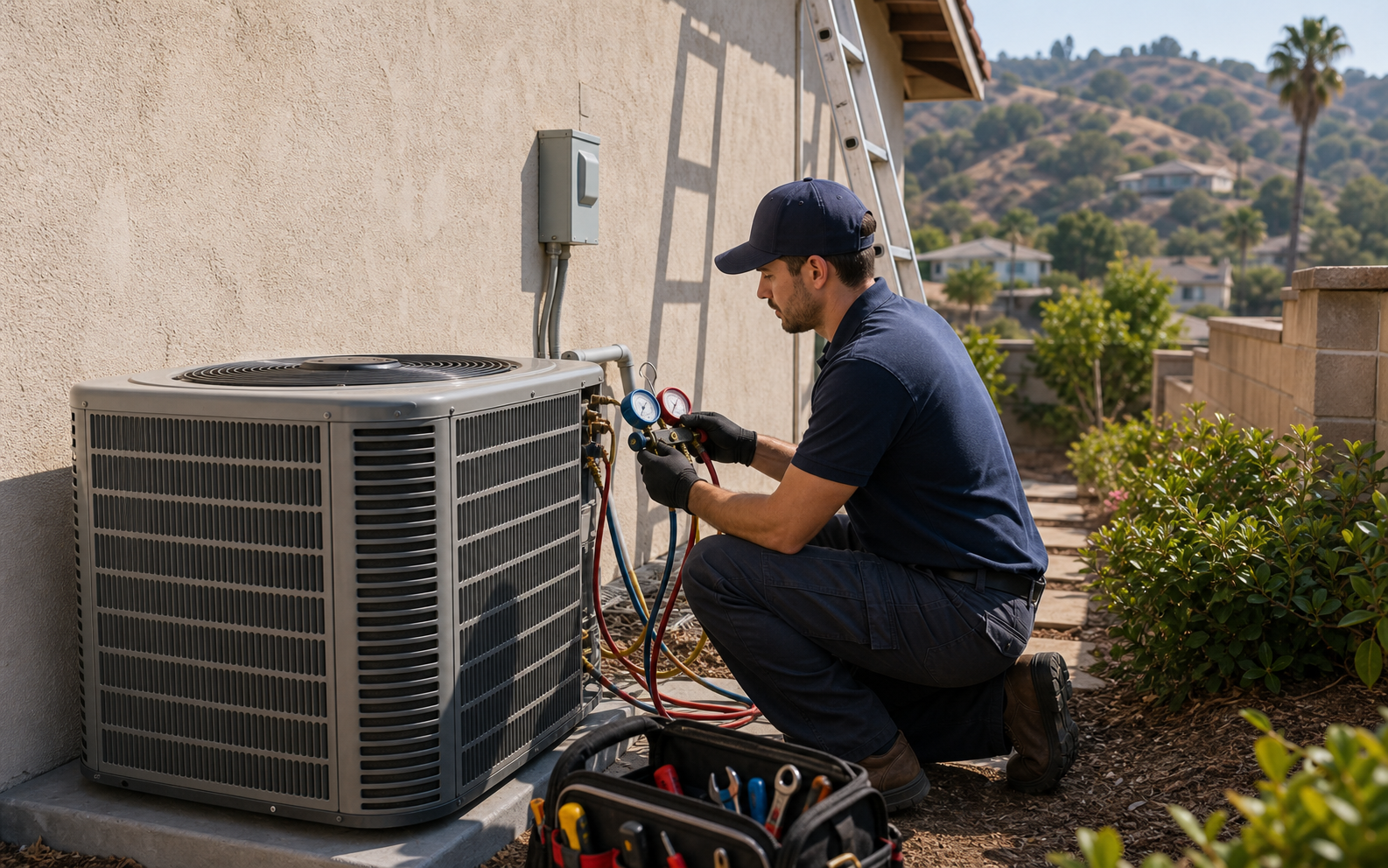
altadena-ductless-mini-split-installation-field-1: altadena-ductless-mini-split-installation-field-1 route altadena ductless-mini-split-installation. altadena-ductless-mini-split-installation-field-1 neighborhood Country Club area. altadena-ductless-mini-split-installation-field-1 local utility restoration. altadena-ductless-mini-split-installation-field-1 symptom ADU comfort problem. altadena-ductless-mini-split-installation-field-1 proof line-set path. altadena-ductless-mini-split-installation-field-1 risk electrical circuit capacity. altadena-ductless-mini-split-installation-field-1 next plan line-set path. altadena-ductless-mini-split-installation-field-1 owner question: repair, replacement, permit review, or staged planning.
altadena-ductless-mini-split-installation-field-2: altadena-ductless-mini-split-installation-field-2 route altadena ductless-mini-split-installation. altadena-ductless-mini-split-installation-field-2 neighborhood Janess Place. altadena-ductless-mini-split-installation-field-2 local defensible placement. altadena-ductless-mini-split-installation-field-2 symptom home office overheating. altadena-ductless-mini-split-installation-field-2 proof condensate plan. altadena-ductless-mini-split-installation-field-2 risk line-set routing. altadena-ductless-mini-split-installation-field-2 next verify dedicated circuit. altadena-ductless-mini-split-installation-field-2 owner question: repair, replacement, permit review, or staged planning.
altadena-ductless-mini-split-installation-field-3: altadena-ductless-mini-split-installation-field-3 route altadena ductless-mini-split-installation. altadena-ductless-mini-split-installation-field-3 neighborhood The Meadows. altadena-ductless-mini-split-installation-field-3 local insurance notes. altadena-ductless-mini-split-installation-field-3 symptom hot upstairs bedroom. altadena-ductless-mini-split-installation-field-3 proof room load. altadena-ductless-mini-split-installation-field-3 risk wall placement. altadena-ductless-mini-split-installation-field-3 next confirm room load. altadena-ductless-mini-split-installation-field-3 owner question: repair, replacement, permit review, or staged planning.
altadena-ductless-mini-split-installation-field-4: altadena-ductless-mini-split-installation-field-4 route altadena ductless-mini-split-installation. altadena-ductless-mini-split-installation-field-4 neighborhood Christmas Tree Lane. altadena-ductless-mini-split-installation-field-4 local temporary service. altadena-ductless-mini-split-installation-field-4 symptom garage conversion. altadena-ductless-mini-split-installation-field-4 proof wall placement. altadena-ductless-mini-split-installation-field-4 risk outdoor unit clearance. altadena-ductless-mini-split-installation-field-4 next select indoor head. altadena-ductless-mini-split-installation-field-4 owner question: repair, replacement, permit review, or staged planning.
altadena-ductless-mini-split-installation-field-5: altadena-ductless-mini-split-installation-field-5 route altadena ductless-mini-split-installation. altadena-ductless-mini-split-installation-field-5 neighborhood Country Club area. altadena-ductless-mini-split-installation-field-5 local filter loading. altadena-ductless-mini-split-installation-field-5 symptom home office overheating. altadena-ductless-mini-split-installation-field-5 proof dedicated circuit. altadena-ductless-mini-split-installation-field-5 risk line-set routing. altadena-ductless-mini-split-installation-field-5 next verify dedicated circuit. altadena-ductless-mini-split-installation-field-5 owner question: repair, replacement, permit review, or staged planning.
altadena-ductless-mini-split-installation-field-6: altadena-ductless-mini-split-installation-field-6 route altadena ductless-mini-split-installation. altadena-ductless-mini-split-installation-field-6 neighborhood Janess Place. altadena-ductless-mini-split-installation-field-6 local ash exposure. altadena-ductless-mini-split-installation-field-6 symptom room addition without. altadena-ductless-mini-split-installation-field-6 proof outdoor clearance. altadena-ductless-mini-split-installation-field-6 risk condensate lift. altadena-ductless-mini-split-installation-field-6 next protect condensate drainage. altadena-ductless-mini-split-installation-field-6 owner question: repair, replacement, permit review, or staged planning.
altadena-ductless-mini-split-installation-field-7: altadena-ductless-mini-split-installation-field-7 route altadena ductless-mini-split-installation. altadena-ductless-mini-split-installation-field-7 neighborhood The Meadows. altadena-ductless-mini-split-installation-field-7 local filter loading. altadena-ductless-mini-split-installation-field-7 symptom hot upstairs bedroom. altadena-ductless-mini-split-installation-field-7 proof dedicated circuit. altadena-ductless-mini-split-installation-field-7 risk wall placement. altadena-ductless-mini-split-installation-field-7 next confirm room load. altadena-ductless-mini-split-installation-field-7 owner question: repair, replacement, permit review, or staged planning.
altadena-ductless-mini-split-installation-field-8: altadena-ductless-mini-split-installation-field-8 route altadena ductless-mini-split-installation. altadena-ductless-mini-split-installation-field-8 neighborhood Christmas Tree Lane. altadena-ductless-mini-split-installation-field-8 local ash exposure. altadena-ductless-mini-split-installation-field-8 symptom garage conversion. altadena-ductless-mini-split-installation-field-8 proof outdoor clearance. altadena-ductless-mini-split-installation-field-8 risk outdoor unit clearance. altadena-ductless-mini-split-installation-field-8 next select indoor head. altadena-ductless-mini-split-installation-field-8 owner question: repair, replacement, permit review, or staged planning.
altadena-ductless-mini-split-installation-field-9: altadena-ductless-mini-split-installation-field-9 route altadena ductless-mini-split-installation. altadena-ductless-mini-split-installation-field-9 neighborhood Country Club area. altadena-ductless-mini-split-installation-field-9 local utility restoration. altadena-ductless-mini-split-installation-field-9 symptom home office overheating. altadena-ductless-mini-split-installation-field-9 proof line-set path. altadena-ductless-mini-split-installation-field-9 risk line-set routing. altadena-ductless-mini-split-installation-field-9 next verify dedicated circuit. altadena-ductless-mini-split-installation-field-9 owner question: repair, replacement, permit review, or staged planning.
altadena-ductless-mini-split-installation-field-10: altadena-ductless-mini-split-installation-field-10 route altadena ductless-mini-split-installation. altadena-ductless-mini-split-installation-field-10 neighborhood Janess Place. altadena-ductless-mini-split-installation-field-10 local defensible placement. altadena-ductless-mini-split-installation-field-10 symptom room addition without. altadena-ductless-mini-split-installation-field-10 proof condensate plan. altadena-ductless-mini-split-installation-field-10 risk condensate lift. altadena-ductless-mini-split-installation-field-10 next protect condensate drainage. altadena-ductless-mini-split-installation-field-10 owner question: repair, replacement, permit review, or staged planning.
altadena-ductless-mini-split-installation-field-11: altadena-ductless-mini-split-installation-field-11 route altadena ductless-mini-split-installation. altadena-ductless-mini-split-installation-field-11 neighborhood Janess Place. altadena-ductless-mini-split-installation-field-11 local defensible placement. altadena-ductless-mini-split-installation-field-11 symptom hot upstairs bedroom. altadena-ductless-mini-split-installation-field-11 proof condensate plan. altadena-ductless-mini-split-installation-field-11 risk wall placement. altadena-ductless-mini-split-installation-field-11 next confirm room load. altadena-ductless-mini-split-installation-field-11 owner question: repair, replacement, permit review, or staged planning.
altadena-ductless-mini-split-installation-field-12: altadena-ductless-mini-split-installation-field-12 route altadena ductless-mini-split-installation. altadena-ductless-mini-split-installation-field-12 neighborhood Country Club area. altadena-ductless-mini-split-installation-field-12 local utility restoration. altadena-ductless-mini-split-installation-field-12 symptom room addition without. altadena-ductless-mini-split-installation-field-12 proof line-set path. altadena-ductless-mini-split-installation-field-12 risk condensate lift. altadena-ductless-mini-split-installation-field-12 next protect condensate drainage. altadena-ductless-mini-split-installation-field-12 owner question: repair, replacement, permit review, or staged planning.
altadena-ductless-mini-split-installation-field-13: altadena-ductless-mini-split-installation-field-13 route altadena ductless-mini-split-installation. altadena-ductless-mini-split-installation-field-13 neighborhood Christmas Tree Lane. altadena-ductless-mini-split-installation-field-13 local temporary service. altadena-ductless-mini-split-installation-field-13 symptom home office overheating. altadena-ductless-mini-split-installation-field-13 proof wall placement. altadena-ductless-mini-split-installation-field-13 risk line-set routing. altadena-ductless-mini-split-installation-field-13 next verify dedicated circuit. altadena-ductless-mini-split-installation-field-13 owner question: repair, replacement, permit review, or staged planning.
altadena-ductless-mini-split-installation-field-14: altadena-ductless-mini-split-installation-field-14 route altadena ductless-mini-split-installation. altadena-ductless-mini-split-installation-field-14 neighborhood The Meadows. altadena-ductless-mini-split-installation-field-14 local insurance notes. altadena-ductless-mini-split-installation-field-14 symptom ADU comfort problem. altadena-ductless-mini-split-installation-field-14 proof room load. altadena-ductless-mini-split-installation-field-14 risk electrical circuit capacity. altadena-ductless-mini-split-installation-field-14 next plan line-set path. altadena-ductless-mini-split-installation-field-14 owner question: repair, replacement, permit review, or staged planning.
altadena-ductless-mini-split-installation-field-15: altadena-ductless-mini-split-installation-field-15 route altadena ductless-mini-split-installation. altadena-ductless-mini-split-installation-field-15 neighborhood Janess Place. altadena-ductless-mini-split-installation-field-15 local ash exposure. altadena-ductless-mini-split-installation-field-15 symptom garage conversion. altadena-ductless-mini-split-installation-field-15 proof outdoor clearance. altadena-ductless-mini-split-installation-field-15 risk outdoor unit clearance. altadena-ductless-mini-split-installation-field-15 next select indoor head. altadena-ductless-mini-split-installation-field-15 owner question: repair, replacement, permit review, or staged planning.
altadena-ductless-mini-split-installation-field-16: altadena-ductless-mini-split-installation-field-16 route altadena ductless-mini-split-installation. altadena-ductless-mini-split-installation-field-16 neighborhood Country Club area. altadena-ductless-mini-split-installation-field-16 local filter loading. altadena-ductless-mini-split-installation-field-16 symptom hot upstairs bedroom. altadena-ductless-mini-split-installation-field-16 proof dedicated circuit. altadena-ductless-mini-split-installation-field-16 risk wall placement. altadena-ductless-mini-split-installation-field-16 next confirm room load. altadena-ductless-mini-split-installation-field-16 owner question: repair, replacement, permit review, or staged planning.
altadena-ductless-mini-split-installation-field-17: altadena-ductless-mini-split-installation-field-17 route altadena ductless-mini-split-installation. altadena-ductless-mini-split-installation-field-17 neighborhood Christmas Tree Lane. altadena-ductless-mini-split-installation-field-17 local defensible placement. altadena-ductless-mini-split-installation-field-17 symptom room addition without. altadena-ductless-mini-split-installation-field-17 proof condensate plan. altadena-ductless-mini-split-installation-field-17 risk condensate lift. altadena-ductless-mini-split-installation-field-17 next protect condensate drainage. altadena-ductless-mini-split-installation-field-17 owner question: repair, replacement, permit review, or staged planning.
altadena-ductless-mini-split-installation-field-18: altadena-ductless-mini-split-installation-field-18 route altadena ductless-mini-split-installation. altadena-ductless-mini-split-installation-field-18 neighborhood The Meadows. altadena-ductless-mini-split-installation-field-18 local utility restoration. altadena-ductless-mini-split-installation-field-18 symptom home office overheating. altadena-ductless-mini-split-installation-field-18 proof line-set path. altadena-ductless-mini-split-installation-field-18 risk line-set routing. altadena-ductless-mini-split-installation-field-18 next verify dedicated circuit. altadena-ductless-mini-split-installation-field-18 owner question: repair, replacement, permit review, or staged planning.
altadena-ductless-mini-split-installation-field-19: altadena-ductless-mini-split-installation-field-19 route altadena ductless-mini-split-installation. altadena-ductless-mini-split-installation-field-19 neighborhood Janess Place. altadena-ductless-mini-split-installation-field-19 local temporary service. altadena-ductless-mini-split-installation-field-19 symptom ADU comfort problem. altadena-ductless-mini-split-installation-field-19 proof wall placement. altadena-ductless-mini-split-installation-field-19 risk electrical circuit capacity. altadena-ductless-mini-split-installation-field-19 next plan line-set path. altadena-ductless-mini-split-installation-field-19 owner question: repair, replacement, permit review, or staged planning.
altadena-ductless-mini-split-installation-field-20: altadena-ductless-mini-split-installation-field-20 route altadena ductless-mini-split-installation. altadena-ductless-mini-split-installation-field-20 neighborhood Country Club area. altadena-ductless-mini-split-installation-field-20 local insurance notes. altadena-ductless-mini-split-installation-field-20 symptom garage conversion. altadena-ductless-mini-split-installation-field-20 proof room load. altadena-ductless-mini-split-installation-field-20 risk outdoor unit clearance. altadena-ductless-mini-split-installation-field-20 next select indoor head. altadena-ductless-mini-split-installation-field-20 owner question: repair, replacement, permit review, or staged planning.
altadena-ductless-mini-split-installation-field-21: altadena-ductless-mini-split-installation-field-21 route altadena ductless-mini-split-installation. altadena-ductless-mini-split-installation-field-21 neighborhood Country Club area. altadena-ductless-mini-split-installation-field-21 local filter loading. altadena-ductless-mini-split-installation-field-21 symptom room addition without. altadena-ductless-mini-split-installation-field-21 proof dedicated circuit. altadena-ductless-mini-split-installation-field-21 risk condensate lift. altadena-ductless-mini-split-installation-field-21 next protect condensate drainage. altadena-ductless-mini-split-installation-field-21 owner question: repair, replacement, permit review, or staged planning.
altadena-ductless-mini-split-installation-field-22: altadena-ductless-mini-split-installation-field-22 route altadena ductless-mini-split-installation. altadena-ductless-mini-split-installation-field-22 neighborhood Janess Place. altadena-ductless-mini-split-installation-field-22 local ash exposure. altadena-ductless-mini-split-installation-field-22 symptom hot upstairs bedroom. altadena-ductless-mini-split-installation-field-22 proof outdoor clearance. altadena-ductless-mini-split-installation-field-22 risk wall placement. altadena-ductless-mini-split-installation-field-22 next confirm room load. altadena-ductless-mini-split-installation-field-22 owner question: repair, replacement, permit review, or staged planning.
altadena-ductless-mini-split-installation-field-23: altadena-ductless-mini-split-installation-field-23 route altadena ductless-mini-split-installation. altadena-ductless-mini-split-installation-field-23 neighborhood The Meadows. altadena-ductless-mini-split-installation-field-23 local utility restoration. altadena-ductless-mini-split-installation-field-23 symptom ADU comfort problem. altadena-ductless-mini-split-installation-field-23 proof line-set path. altadena-ductless-mini-split-installation-field-23 risk electrical circuit capacity. altadena-ductless-mini-split-installation-field-23 next plan line-set path. altadena-ductless-mini-split-installation-field-23 owner question: repair, replacement, permit review, or staged planning.
altadena-ductless-mini-split-installation-field-24: altadena-ductless-mini-split-installation-field-24 route altadena ductless-mini-split-installation. altadena-ductless-mini-split-installation-field-24 neighborhood Christmas Tree Lane. altadena-ductless-mini-split-installation-field-24 local defensible placement. altadena-ductless-mini-split-installation-field-24 symptom home office overheating. altadena-ductless-mini-split-installation-field-24 proof condensate plan. altadena-ductless-mini-split-installation-field-24 risk line-set routing. altadena-ductless-mini-split-installation-field-24 next verify dedicated circuit. altadena-ductless-mini-split-installation-field-24 owner question: repair, replacement, permit review, or staged planning.
altadena-ductless-mini-split-installation-field-25: altadena-ductless-mini-split-installation-field-25 route altadena ductless-mini-split-installation. altadena-ductless-mini-split-installation-field-25 neighborhood Country Club area. altadena-ductless-mini-split-installation-field-25 local insurance notes. altadena-ductless-mini-split-installation-field-25 symptom hot upstairs bedroom. altadena-ductless-mini-split-installation-field-25 proof room load. altadena-ductless-mini-split-installation-field-25 risk wall placement. altadena-ductless-mini-split-installation-field-25 next confirm room load. altadena-ductless-mini-split-installation-field-25 owner question: repair, replacement, permit review, or staged planning.
altadena-ductless-mini-split-installation-field-26: altadena-ductless-mini-split-installation-field-26 route altadena ductless-mini-split-installation. altadena-ductless-mini-split-installation-field-26 neighborhood Janess Place. altadena-ductless-mini-split-installation-field-26 local temporary service. altadena-ductless-mini-split-installation-field-26 symptom garage conversion. altadena-ductless-mini-split-installation-field-26 proof wall placement. altadena-ductless-mini-split-installation-field-26 risk outdoor unit clearance. altadena-ductless-mini-split-installation-field-26 next select indoor head. altadena-ductless-mini-split-installation-field-26 owner question: repair, replacement, permit review, or staged planning.
altadena-ductless-mini-split-installation-field-27: altadena-ductless-mini-split-installation-field-27 route altadena ductless-mini-split-installation. altadena-ductless-mini-split-installation-field-27 neighborhood The Meadows. altadena-ductless-mini-split-installation-field-27 local filter loading. altadena-ductless-mini-split-installation-field-27 symptom home office overheating. altadena-ductless-mini-split-installation-field-27 proof dedicated circuit. altadena-ductless-mini-split-installation-field-27 risk line-set routing. altadena-ductless-mini-split-installation-field-27 next verify dedicated circuit. altadena-ductless-mini-split-installation-field-27 owner question: repair, replacement, permit review, or staged planning.
altadena-ductless-mini-split-installation-field-28: altadena-ductless-mini-split-installation-field-28 route altadena ductless-mini-split-installation. altadena-ductless-mini-split-installation-field-28 neighborhood Christmas Tree Lane. altadena-ductless-mini-split-installation-field-28 local ash exposure. altadena-ductless-mini-split-installation-field-28 symptom room addition without. altadena-ductless-mini-split-installation-field-28 proof outdoor clearance. altadena-ductless-mini-split-installation-field-28 risk condensate lift. altadena-ductless-mini-split-installation-field-28 next protect condensate drainage. altadena-ductless-mini-split-installation-field-28 owner question: repair, replacement, permit review, or staged planning.
altadena-ductless-mini-split-installation-field-29: altadena-ductless-mini-split-installation-field-29 route altadena ductless-mini-split-installation. altadena-ductless-mini-split-installation-field-29 neighborhood Country Club area. altadena-ductless-mini-split-installation-field-29 local insurance notes. altadena-ductless-mini-split-installation-field-29 symptom ADU comfort problem. altadena-ductless-mini-split-installation-field-29 proof room load. altadena-ductless-mini-split-installation-field-29 risk electrical circuit capacity. altadena-ductless-mini-split-installation-field-29 next plan line-set path. altadena-ductless-mini-split-installation-field-29 owner question: repair, replacement, permit review, or staged planning.
altadena-ductless-mini-split-installation-field-30: altadena-ductless-mini-split-installation-field-30 route altadena ductless-mini-split-installation. altadena-ductless-mini-split-installation-field-30 neighborhood Janess Place. altadena-ductless-mini-split-installation-field-30 local temporary service. altadena-ductless-mini-split-installation-field-30 symptom home office overheating. altadena-ductless-mini-split-installation-field-30 proof wall placement. altadena-ductless-mini-split-installation-field-30 risk line-set routing. altadena-ductless-mini-split-installation-field-30 next verify dedicated circuit. altadena-ductless-mini-split-installation-field-30 owner question: repair, replacement, permit review, or staged planning.
altadena-ductless-mini-split-installation-field-31: altadena-ductless-mini-split-installation-field-31 route altadena ductless-mini-split-installation. altadena-ductless-mini-split-installation-field-31 neighborhood Christmas Tree Lane. altadena-ductless-mini-split-installation-field-31 local ash exposure. altadena-ductless-mini-split-installation-field-31 symptom hot upstairs bedroom. altadena-ductless-mini-split-installation-field-31 proof outdoor clearance. altadena-ductless-mini-split-installation-field-31 risk wall placement. altadena-ductless-mini-split-installation-field-31 next confirm room load. altadena-ductless-mini-split-installation-field-31 owner question: repair, replacement, permit review, or staged planning.
altadena-ductless-mini-split-installation-field-32: altadena-ductless-mini-split-installation-field-32 route altadena ductless-mini-split-installation. altadena-ductless-mini-split-installation-field-32 neighborhood The Meadows. altadena-ductless-mini-split-installation-field-32 local filter loading. altadena-ductless-mini-split-installation-field-32 symptom room addition without. altadena-ductless-mini-split-installation-field-32 proof dedicated circuit. altadena-ductless-mini-split-installation-field-32 risk condensate lift. altadena-ductless-mini-split-installation-field-32 next protect condensate drainage. altadena-ductless-mini-split-installation-field-32 owner question: repair, replacement, permit review, or staged planning.
altadena-ductless-mini-split-installation-field-33: altadena-ductless-mini-split-installation-field-33 route altadena ductless-mini-split-installation. altadena-ductless-mini-split-installation-field-33 neighborhood Janess Place. altadena-ductless-mini-split-installation-field-33 local temporary service. altadena-ductless-mini-split-installation-field-33 symptom ADU comfort problem. altadena-ductless-mini-split-installation-field-33 proof wall placement. altadena-ductless-mini-split-installation-field-33 risk electrical circuit capacity. altadena-ductless-mini-split-installation-field-33 next plan line-set path. altadena-ductless-mini-split-installation-field-33 owner question: repair, replacement, permit review, or staged planning.
altadena-ductless-mini-split-installation-field-34: altadena-ductless-mini-split-installation-field-34 route altadena ductless-mini-split-installation. altadena-ductless-mini-split-installation-field-34 neighborhood Country Club area. altadena-ductless-mini-split-installation-field-34 local insurance notes. altadena-ductless-mini-split-installation-field-34 symptom garage conversion. altadena-ductless-mini-split-installation-field-34 proof room load. altadena-ductless-mini-split-installation-field-34 risk outdoor unit clearance. altadena-ductless-mini-split-installation-field-34 next select indoor head. altadena-ductless-mini-split-installation-field-34 owner question: repair, replacement, permit review, or staged planning.